Australian biological computing pioneer Cortical Labs wins Gamechanger award and silver in Hardware at AFR Most Innovative Companies Awards
Melbourne-based Cortical Labs has won the Gamechanger special award and silver in the Hardware category at The Australian Financial Review’s Most Innovative Companies Awards, presented at last night’s gala.
Australian biological computing pioneer Cortical Labs wins Gamechanger award and silver in Hardware at AFR Most Innovative Companies Awards
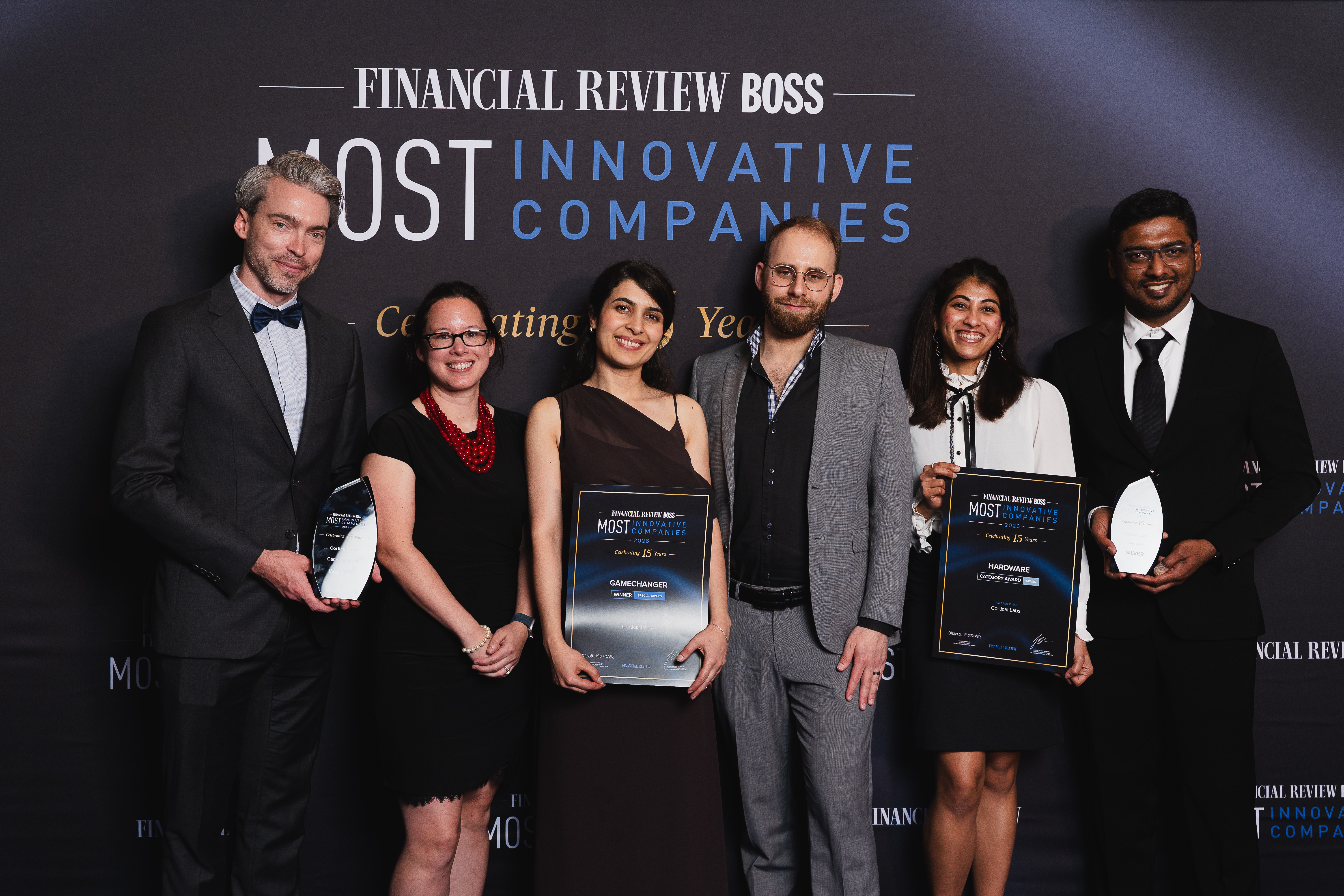
Melbourne-based Cortical Labs has won the Gamechanger special award and silver in the Hardware category at The Australian Financial Review’s Most Innovative Companies Awards, presented at last night’s gala.
The dual recognition celebrates homegrown technology that is putting Australia at the forefront of biological computing. The Gamechanger award recognises ambitious companies developing technology and creating new categories with the potential to reshape the world.
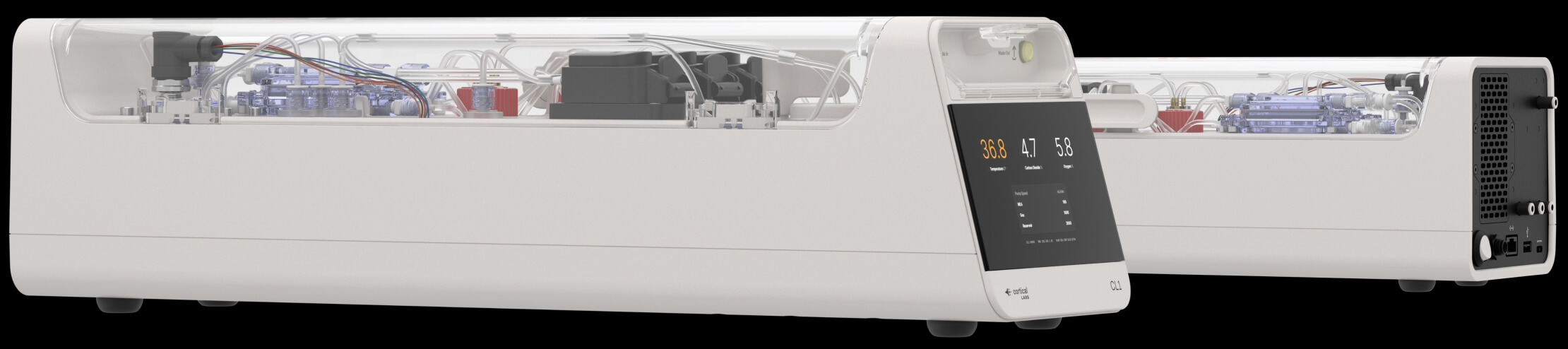
Founded in Melbourne in 2019, Cortical Labs combines living human neurons with silicon hardware to build biological computers. Its team has taken the technology from early laboratory experiments to CL1, the world’s first scalable and programmable biological computer, now accessible to researchers and developers internationally.
The awards highlight the Australian scientific and engineering expertise behind that progression, bringing together neuroscience, stem cell biology, hardware and software development to create technology with global applications.
From Melbourne research to international expansion
Cortical Labs’ early DishBrain research demonstrated that living neural cultures could learn to improve their performance in simple games such as Pong. The team then developed CL1 to put biological computing into the hands of other researchers and developers.
CL1 integrates living neurons, computing hardware, software and a life-support system in one device. Through Cortical Cloud, users can also access the technology remotely from the company’s Melbourne Biological Data Centre, without having to establish their own specialist laboratory.
The platform enables researchers to explore applications across drug discovery, personalised medicine and computing, including whether living neural networks can learn useful tasks with less training data and energy.
Dr Brett J. Kagan, Co-founder and CEO of Cortical Labs, said:
“This started in Melbourne with a question about how we could harness the ability of living neurons to learn and adapt. Turning that idea into a computer that other people can program has taken years of work across biology, neuroscience and engineering.
“This recognition is a credit to the team building that technology here in Australia. We have an opportunity to develop a new computing industry, with Australian research and expertise at its foundation.
“As we expand internationally, we want to keep growing that capability at home and give researchers and developers around the world the tools to build on it.”